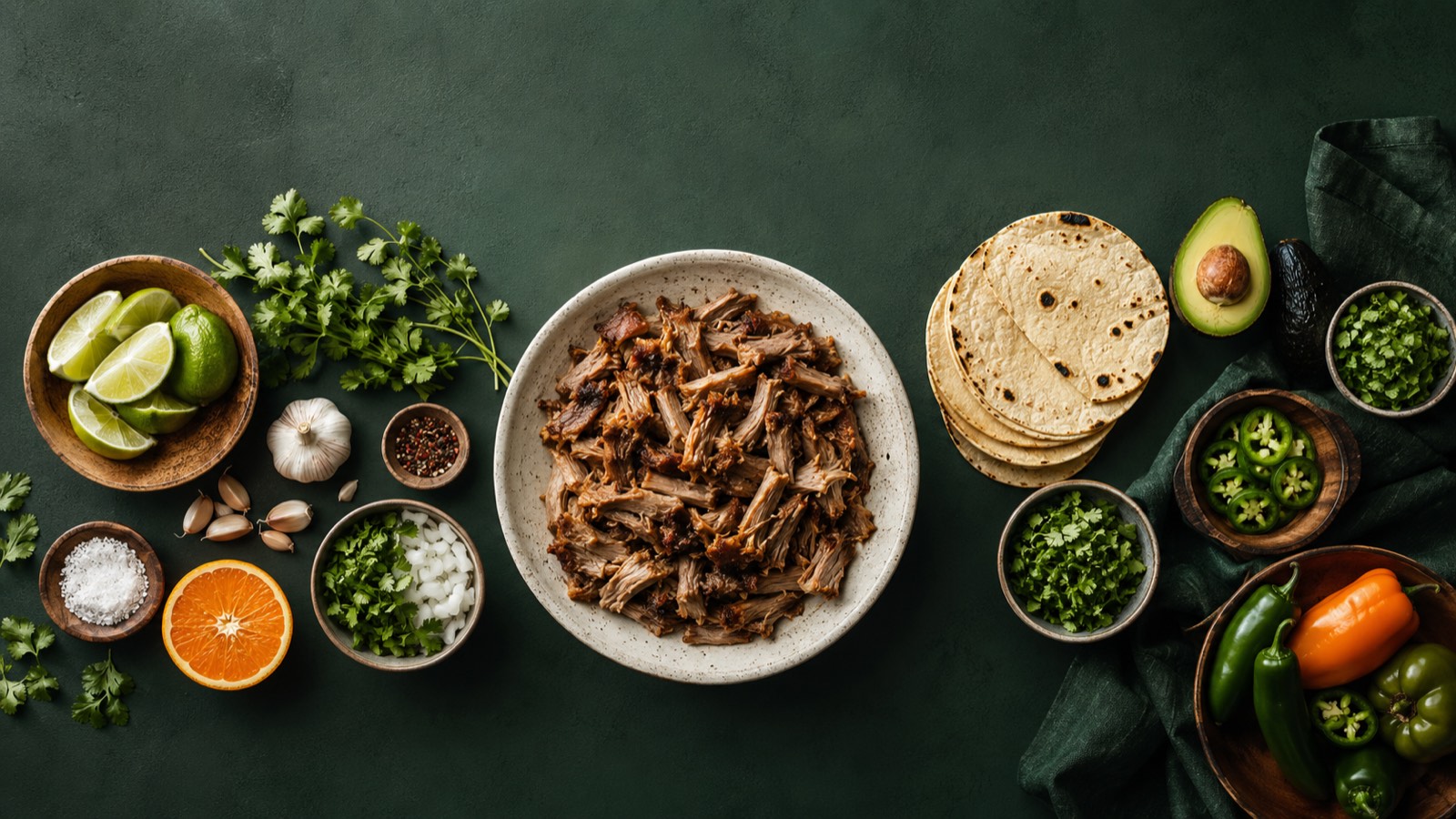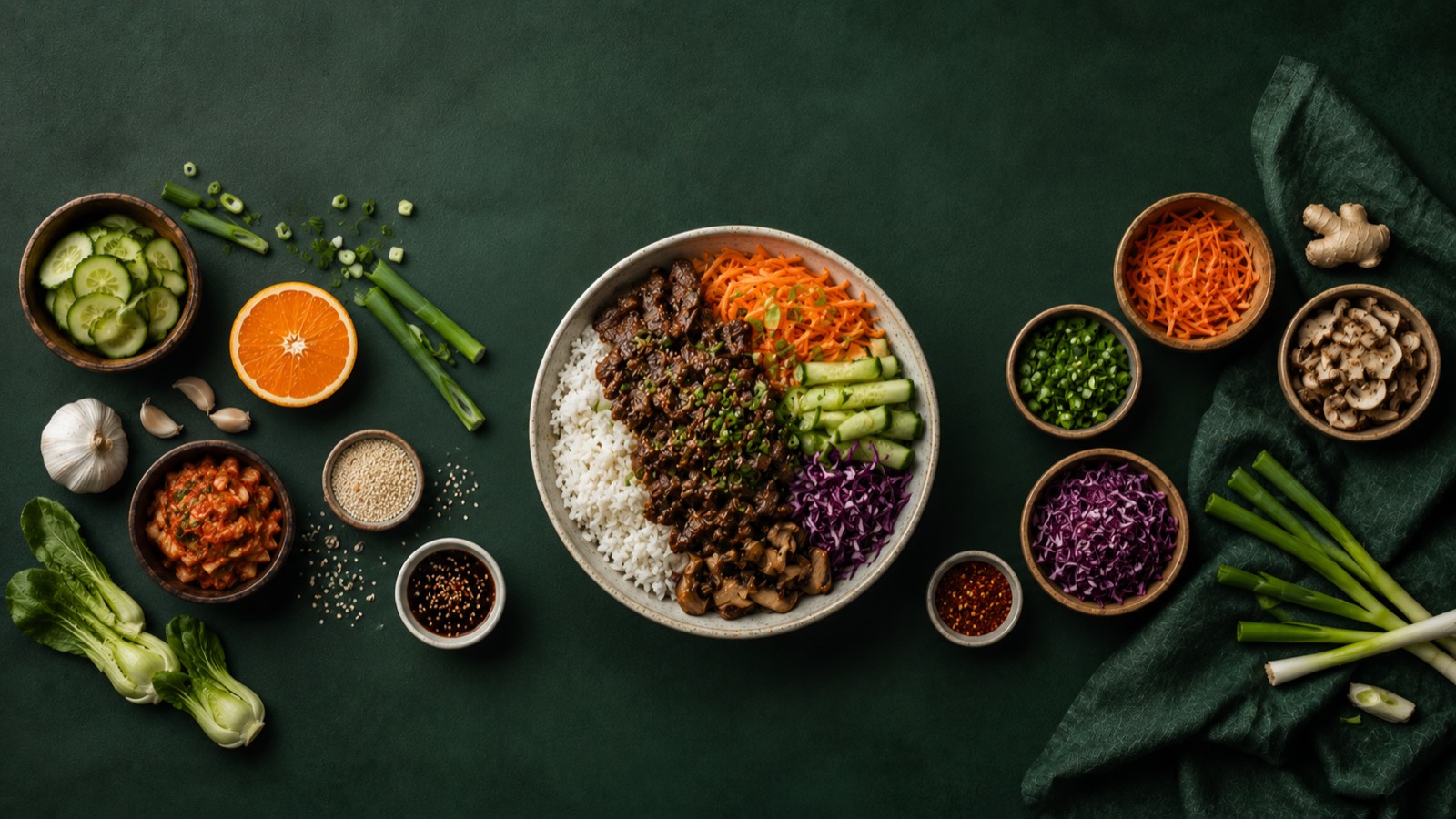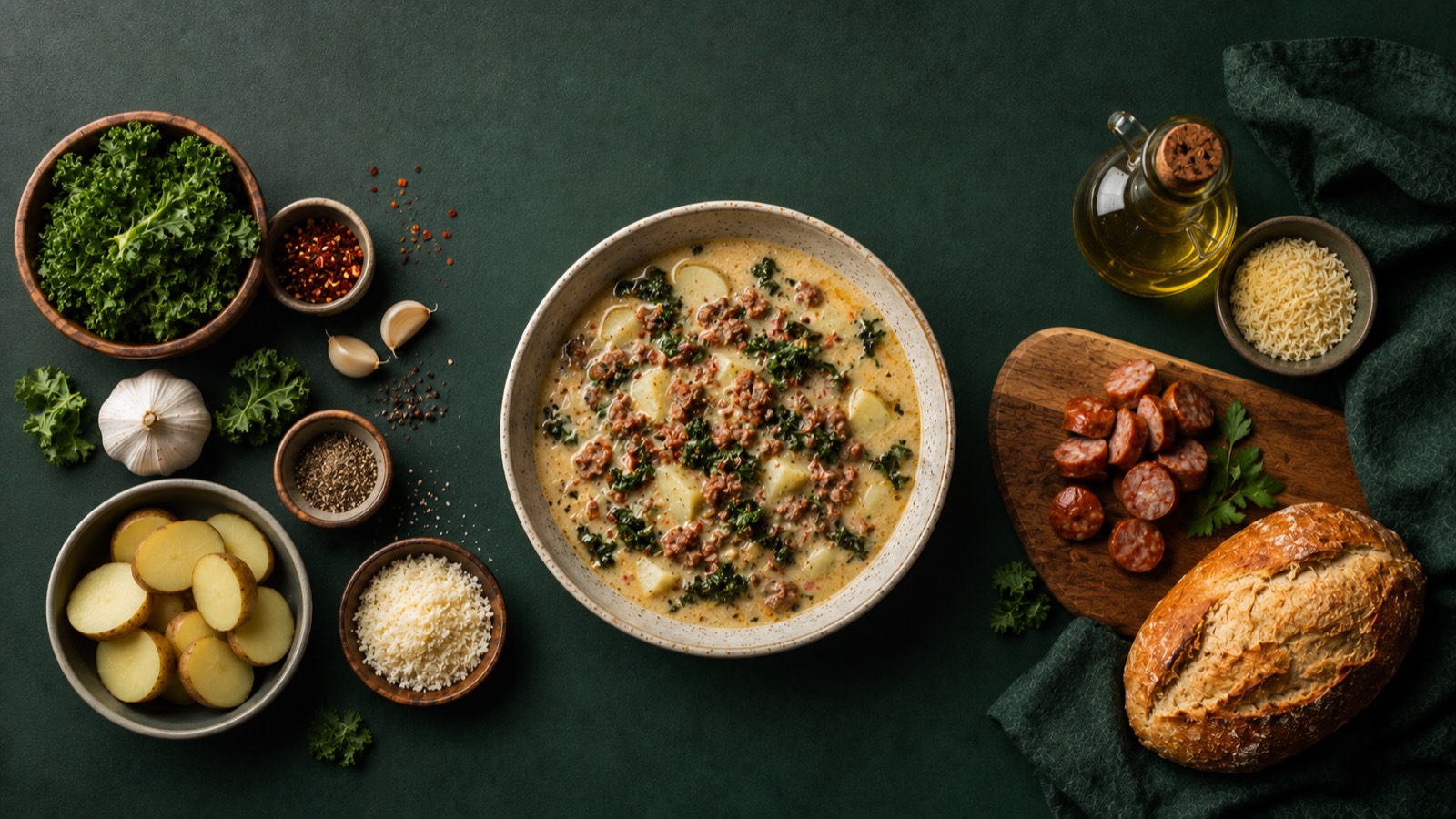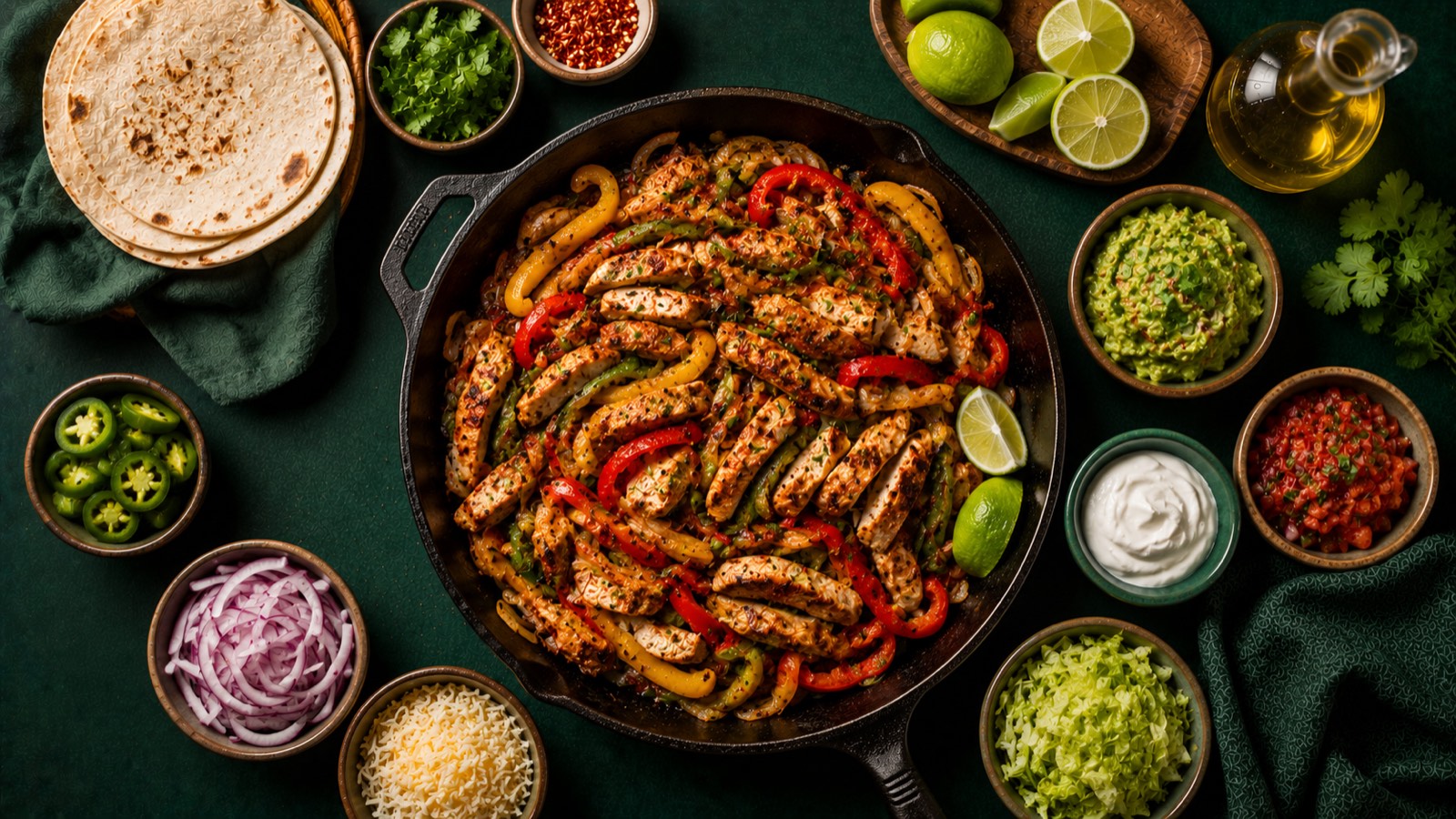

Every meal plan we tried before building our own failed the exact same way. Not on night one — night one is easy. They failed on the first bad night, when one miss turned into two, and quitting felt cleaner than catching up.
So when we built our own system, we built it around a different assumption: you are going to miss nights. Practice runs late. Someone gets sick. A Tuesday simply falls apart. A plan that can't absorb that isn't a plan — it's a guilt machine with recipes.
Check boxes, not rules
That's why the kit ends with a 30-day tracker instead of a rulebook. Thirty little boxes, one per dinner, in any order. Check them as you cook them. Miss a night? Nothing resets, nothing is "ruined" — there's just a box you'll get to later, or won't. The tracker measures what happened, not what you failed at.
The milestones that actually matter
- One week done — a full week of GF/DF dinners without the 5:00 panic. Starting is the hardest part, and it's behind you.
- Halfway — shopping feels faster, swaps feel natural, and you've stopped reading this like a plan and started living it like a routine.
- Thirty dinners, handled — you didn't follow a plan. You built a habit. And it doesn't have to stop here.
Why this works when willpower doesn't
Willpower is a finite resource that runs out precisely at dinnertime. Systems don't. Between the swap rule, the leftover remixes, and a tracker that forgives, the plan bends on the bad weeks so you don't break. That's the entire design philosophy, and it's why families finish month one and immediately ask what's next.